

The way people live in and invest in new-build properties has changed. Today, high-net-worth international buyers are no longer focused solely on design, prime locations or sea views. They are also seeking efficiency, comfort, sustainability and long-term value. In this new landscape, passive architecture has become one of the key pillars of luxury new-build developments in Spain, particularly on the Costa del Sol.
If you are considering purchasing a new-build property in this region, whether as a second home or an investment, understanding what passive housing is and why it matters is essential to making an informed decision.
What is passive architecture, and why is it a growing trend in luxury residential property?
Passive architecture is a design and construction approach that aims to maximise indoor comfort while minimising energy consumption. The focus is not on complex technology, but on designing the building from the very beginning: orientation, materials, insulation and ventilation are carefully planned to fully harness the property’s natural potential.
In the luxury real estate market, passive architecture has become a natural evolution towards more efficient homes that align with the values and expectations of international buyers.
In areas such as the Costa del Sol, where climate plays a crucial role, this type of architecture allows natural resources such as sunlight, sea breezes and stable temperatures to be used to create high-end homes with minimal environmental impact.
Key principles of passive construction in luxury new developments
For a residential development to be considered passive, it must meet a series of technical principles that are already being applied in luxury new-build projects on the Costa del Sol.
Orientation and bioclimatic design
Passive architecture begins with a detailed analysis of the surrounding environment:
- Optimal orientation to maximise natural sunlight
- Protection against overheating during the summer months
- Integration with the landscape and Mediterranean climate
In luxury villas and apartments, this translates into bright living spaces, well-shaded terraces and a seamless connection between indoor and outdoor areas.
High-performance thermal insulation
Another cornerstone of passive housing is insulation that significantly exceeds traditional standards:
- Façades, roofs and floors designed to prevent energy loss
- High-performance windows with thermal break systems and double or triple glazing
- Elimination of thermal bridges
One of the greatest benefits of a passive home is the constant thermal comfort it provides throughout the year, regardless of the season. Thanks to intelligent design, indoor temperatures remain stable, the need for heating or air conditioning is drastically reduced, and indoor air quality is significantly improved. The result is a more efficient, quieter and more comfortable home—ideal for international buyers who spend extended periods in Spain or work remotely.
Mechanical ventilation with heat recovery
Indoor air quality is another key element of passive architecture. These homes incorporate controlled ventilation systems that continuously renew the air, maintain stable indoor temperatures, reduce humidity and enhance overall indoor health and comfort.
Passive architecture, sustainability and real estate profitability
Investing in a passive home is not only a responsible choice, but also a strategic one. Passive architectural construction:
- Reduces energy consumption by up to 70–90% compared to conventional buildings
- Lowers long-term maintenance costs
- Complies with increasingly demanding European regulations
From an investor’s perspective, passive architecture offers clear advantages:
- Greater differentiation from traditional developments
- Stronger positioning within the premium market
- Added appeal for long-term rentals and international tenant profiles
In a real estate market such as the Costa del Sol, where international demand remains consistently strong, these properties benefit from higher attractiveness, stronger market positioning and improved return on investment.
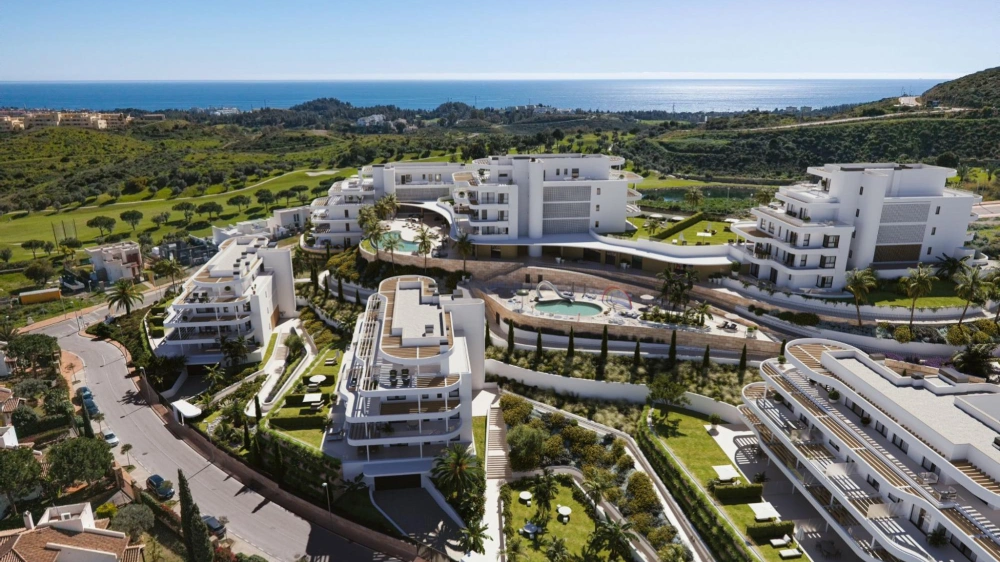
Prime Invest: expertise in efficient new-build developments
Passive architecture represents the present of luxury new-build developments on the Costa del Sol. It is a construction approach that responds to the real needs of today’s buyers and delivers value from day one.
At Prime Invest, we help you identify and market developments that meet these standards, guiding you through every stage of the process to ensure your investment on the Costa del Sol is secure, profitable and aligned with an exceptional lifestyle. Contact our team and discover new property developments on the Costa del Sol that are committed to passive architecture, efficiency and long-term value.
Share this: